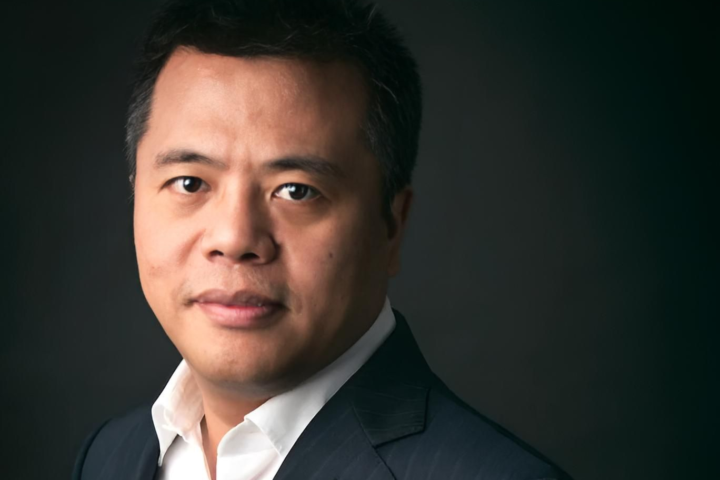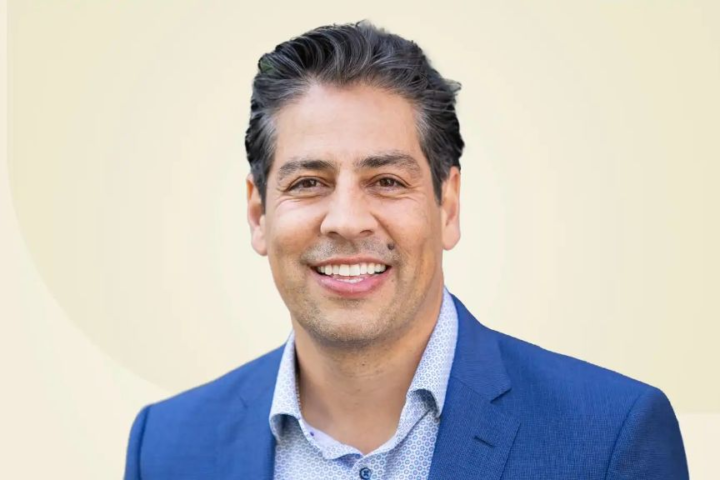


Elliot Omanson does not describe himself as a typical finance executive. He calls himself a communicator first. That mindset has shaped his entire career.
Today, Omanson is the Chief Communicator and Managing Partner of OWLFI Strategic Advisors. He leads the firm while also hosting podcasts, reviewing financial plans, and guiding clients through complex decisions. “If people don’t understand the plan, the plan doesn’t work,” he says. “Clarity builds confidence.”
His career did not start in finance. It started in the military, under pressure, where communication was not optional—it was survival.
Military Service and a Lasting Sense of Purpose
Before entering financial services, Omanson served three military tours in the Middle East with the U.S. Army. Those years shaped how he views leadership and responsibility.
“In high-stakes environments, you learn fast that your choices affect more than just you,” he says. “That stays with you.”
Helping people in war-torn countries gave him a sense of pride and meaning. He did not expect to find that same fulfillment again. But later, he realized the feeling was familiar when he began helping families protect their future.
“Different environment,” he says, “same mission—help people feel secure when things are uncertain.”
Entering Finance Through Family and Values
Elliot Omanson entered the financial industry after watching his two younger brothers build careers as investment advisors. Seeing their path helped him understand what kind of firm he wanted to be part of—and what kind he wanted to build.
He earned his Series 7 and Series 66 licenses, along with Life and Health licenses, and joined Sage Financial Inc. as an Independent Investment Advisor Representative. The firm’s values mattered as much as its technical skill.
“The Sharp family built something rooted in ethics,” Omanson says. “That mattered to me. It still does.”
At Sage Financial, he focused on retirement planning, especially the distribution phase of life. This stage brings different risks, such as income sustainability and tax exposure. His goal was not complexity. It was simplicity.
“My job was to give people a clear roadmap,” he says. “Something they could understand and trust.”
From Advisor to Owner
Over time, Omanson moved from advisor to leader. Eventually, he acquired Sage Financial Inc. and rebranded it as OWLFI Strategic Advisors.
The change was not just about a new name. It was about building an integrated structure that matched how clients actually live and work.
“We saw gaps,” he explains. “Clients needed tax, insurance, legal, and planning to talk to each other. So we built that.”
Under OWLFI, the firm expanded to include OWLFI Tax and Accounting and OWLFI Insurance. The goal was alignment, not growth for its own sake.
“Growth without structure creates risk,” Omanson says. “Structure creates leverage.”
A Strategic View of Wealth and Legacy
Today, Omanson is known for his strategic approach to wealth planning, business optimization, and legacy design. He works closely with business owners facing high-stakes decisions, from succession planning to business transitions.
He sees his role as architectural. “Money is a tool,” he says. “The real work is designing how it supports the life and legacy someone wants to leave behind.”
He believes many people settle for less because they never step back to look at the full system. Taxes, liability, business structure, and estate plans often exist in silos.
“My job is to connect the dots,” he says. “Once you see the whole picture, better decisions follow.”
Leadership Through Communication
Omanson’s communication skills remain central to his leadership style. Whether recording Murphy’s Market Minute, hosting the OWLFI Podcast, or leading internal teams, his focus is the same.
“Complex ideas don’t need complex language,” he says. “They need clear language.”
Colleagues describe him as a problem-solver who thrives under pressure. Clients describe him as calm and direct. Both traits trace back to his military background.
“You don’t panic,” Omanson says. “You assess, decide, and move.”
Playing the Long Game
At the core of Omanson’s work is a simple philosophy: Play the long game. Protect what matters. Build what lasts.
That mindset guides how he builds firms, advises clients, and leads teams. He is not interested in shortcuts or trends. He is interested in durability.
“Short-term wins fade,” he says. “Long-term structure holds.”
From military service to financial leadership, Omanson’s career follows a clear arc. It is about responsibility, clarity, and systems that work when they matter most.
And for him, the mission remains personal. “If people walk away with peace of mind,” he says, “then we did our job.”