

Alternative investments were once the exclusive domain of pension funds, endowments, and billionaires. Private equity, hedge funds, and institutional real estate required minimums that put them beyond reach for most individual investors. That exclusivity is eroding. Goldman Sachs’ October 2025 survey of 1,000 high-net-worth investors found that 80% of households with $10 million or more now allocate to alternatives, up sharply from historical norms. Major brokerages are racing to meet demand.
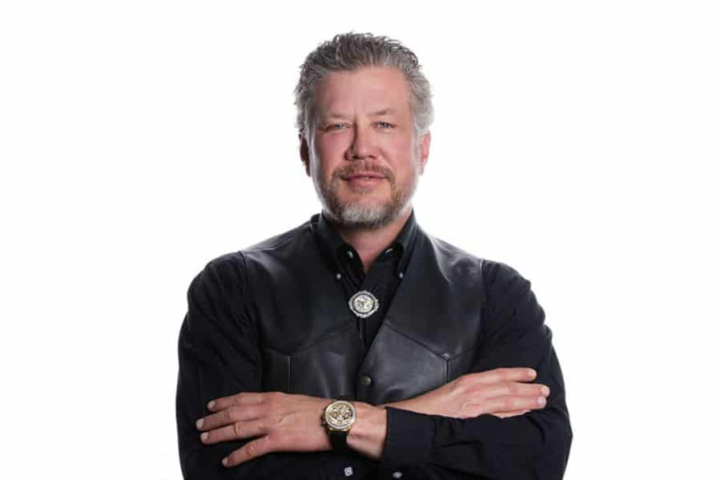
Rich Bursek, President and Partner of Certuity, recognized this shift years before it became an industry trend. Under his leadership, Certuity developed pooled investment vehicles to give qualified clients access to institutional-grade opportunities worldwide. “Clients wouldn’t normally be able to access these investments on their own,” Bursek notes. His firm often negotiates reduced fees and terms through aggregated buying power, passing those savings to clients.
What’s Driving Demand for Alternatives Among Individual Investors?
Goldman Sachs’ survey reveals a clear pattern: alternative allocations rise sharply with wealth. Among investors with $1 million to $5 million in assets, 39% report using alternatives. That figure jumps to 63% for households with $5 million to $10 million, 80% for those with $10 million or more, and 91% for investors with $20 million or more.
Performance drives 46% of current alternative investors, while diversification motivates 34%. Perhaps more telling: investors with alternative exposure view these investments as less risky than those without exposure. Only 39% of alternative investors label them “high risk,” compared to 73% of non-investors. Experience appears to reduce perceived risk.
Generational differences add momentum. Millennials allocate 20% of their portfolios to alternatives, compared to 11% for Gen X and just 6% for Baby Boomers. Younger investors cite performance and access to innovation as primary motivations. They also commit far less to public equities, with only 27% allocated versus 43% for Gen X and 48% for Boomers.
How Are Major Platforms Responding?
Industry response has been swift. Schwab launched Alternative Investments Select in April 2025, making private equity, hedge funds, private credit, and private real estate available to retail clients with more than $5 million in household assets. Dedicated alternative investment consultants provide education and recommendations.
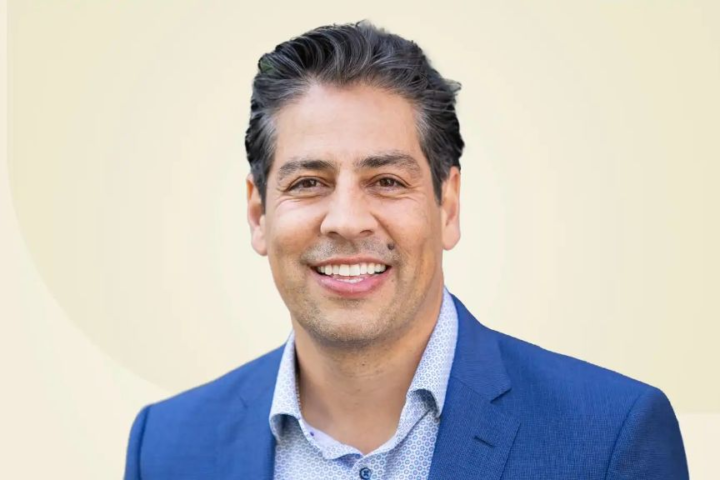
“Schwab serves more than a million multimillionaire investors, representing over $3 trillion in assets,” stated Jonathan Craig, Head of Investor Services at Charles Schwab. A recent Schwab survey found that more than half of its high-net-worth clients expect to allocate at least 5% of their portfolios to alternatives over the next three years.
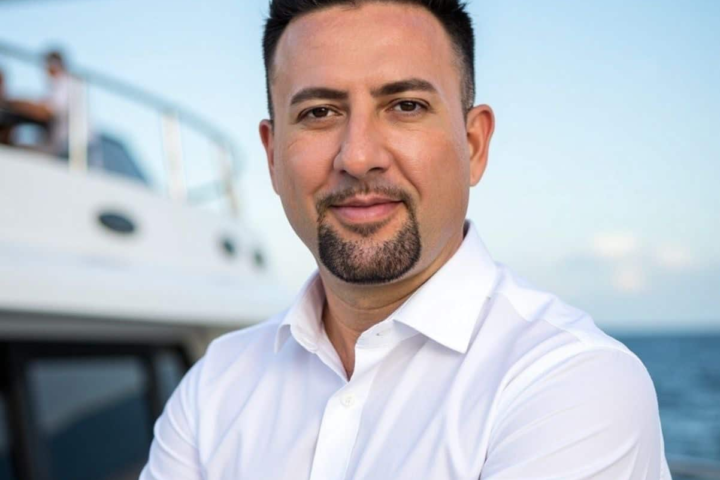
Edward Jones followed in late April 2025, launching alternative investments for clients enrolled in Edward Jones Generations, its private client service for investors with $10 million or more. Russ Tipper, Principal and Head of Products at Edward Jones, framed the move as meeting client expectations: “We believe alternative investments represent an opportunity for our high net worth clients to diversify their portfolios.”
These launches signal that alternative access is moving from differentiator to expectation among wealthy clients.
What Makes Pooled Vehicles Different from Platform Access?
Bursek’s approach at Certuity differs from the platform model now proliferating across wirehouses and brokerages. Rather than simply offering access to a curated shelf of third-party funds, Certuity creates its own pooled vehicles that aggregate client capital to negotiate institutional terms.
“We use a holistic approach to understand our clients’ financial lives. We build relationships with clients, prospects, and the funds we’re investing in,” Bursek explains. Relational depth with fund managers allows Certuity to secure access and terms that clients may not be able to obtain independently.
Fee structure differences matter. Platform models often layer platform fees on top of fund fees and expenses and minimum investments, while reduced from institutional levels, often remain substantial. Pooled vehicles can negotiate management fee reductions, co-investment rights, and capacity allocations that benefit the entire investor pool. Alignment also typically improves when advisory firms invest alongside clients through pooled structures.
Why Does the Advice Gap Matter?
Goldman Sachs’ survey reveals a troubling disconnect. Despite 80% of surveyed investors using at least one financial advisor, only 41% have discussed alternatives with their advisor. Advisors more frequently engage clients on ETFs (60%) and tax strategies (69%) than on private markets.
Information asymmetry results from this gap. Millennials report learning about alternatives primarily through social media, while Baby Boomers rely on traditional financial media. Neither source provides the due diligence depth required for illiquid, complex investments. Brand trust matters: 86% of investors say they would be more comfortable using alternatives from a financial institution they know.
For advisory firms, the gap presents both risk and opportunity:
- Risk: Clients who discover alternatives through social media or generalist platforms may make uninformed decisions or develop unrealistic expectations.
- Opportunity: Advisors who proactively educate clients and provide curated access can deepen relationships and capture wallet share.
Firms like Certuity that built alternative platforms years ago now hold structural advantages. They have track records, manager relationships, and internal expertise that new entrants must develop from scratch.
What Should Investors Consider Before Allocating?
Democratization of alternatives brings new investors into asset classes with characteristics fundamentally different from public markets:
- Illiquidity: Most private investments lock up capital for years. Investors accustomed to daily liquidity in stocks and bonds may underestimate the psychological and financial impact.
- Complexity: Fee structures, waterfall distributions, and vintage year performance comparisons require education that many investors lack.
- Due diligence burden: Unlike public securities with standardized disclosures, private investments require extensive manager evaluation.
Bursek’s emphasis on relationship-building addresses these challenges. Advisory firms that maintain ongoing relationships with fund managers can monitor investments actively and communicate developments to clients. Platform models that offer access without relationship depth transfer more diligence burden to the end investor.
Private real estate leads in usage among investors with under $5 million in assets, according to Goldman Sachs. Above that threshold, allocations broaden to include private equity, growth equity, and hedge funds. Investors often start with more familiar alternative categories before expanding exposure.
What Does Access Mean for Wealth Management?
Convergence of institutional and retail investment opportunities marks a structural shift. Minimums are falling, product structures are adapting, and advisor education is accelerating. Schwab plans to add exchange funds and expand its alternative menu. Edward Jones intends to broaden client eligibility over time.
For advisory firms, the shift creates competitive pressure. Clients increasingly expect alternative access as a standard capability, not a differentiator. Firms without credible alternative offerings risk losing high-net-worth clients to competitors or platforms.
Bursek’s early bet on pooled vehicles positioned Certuity ahead of this industry shift. His firm built manager relationships, developed internal expertise, and established track records while competitors focused elsewhere. That head start compounds as alternatives become table stakes for serving wealthy clients.